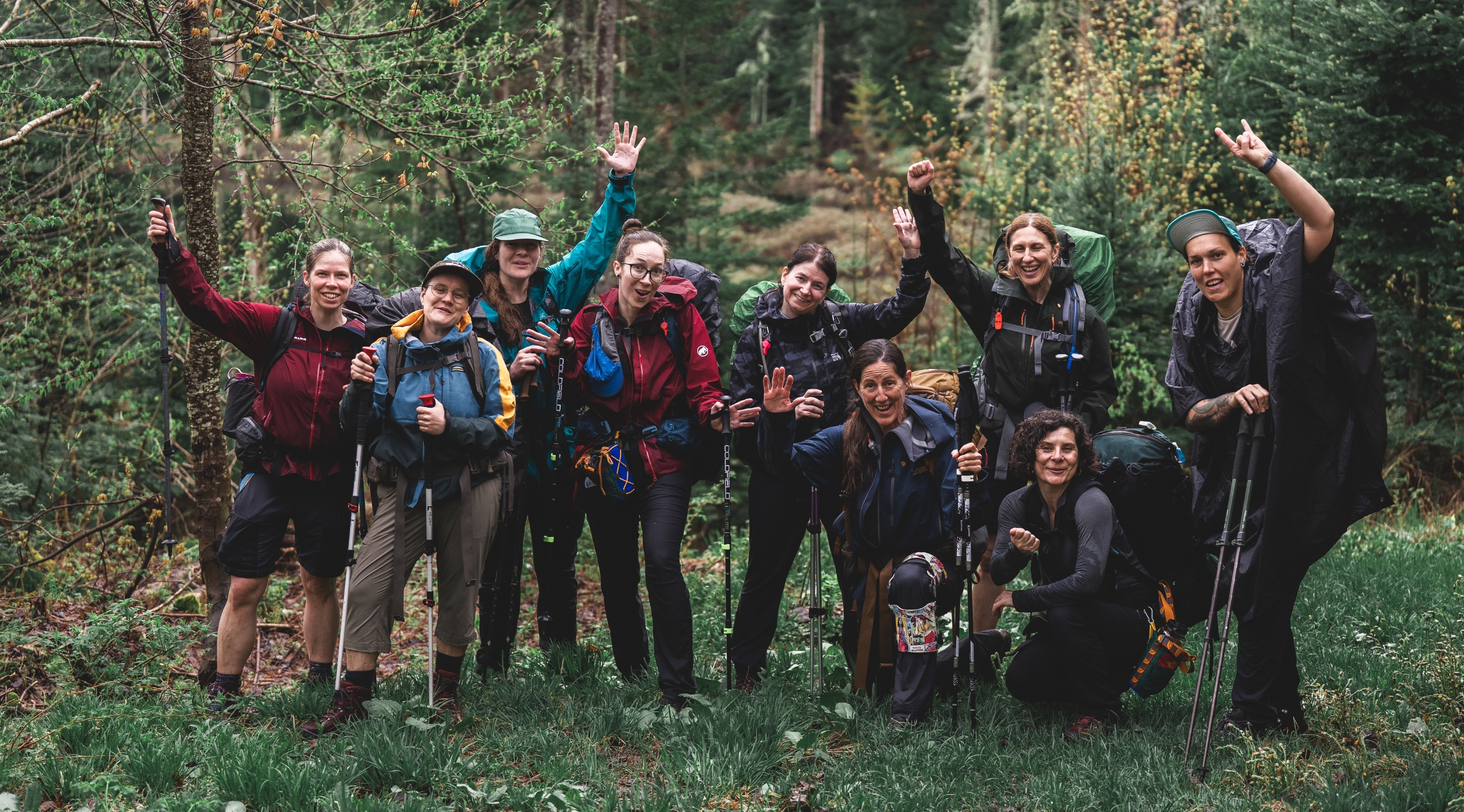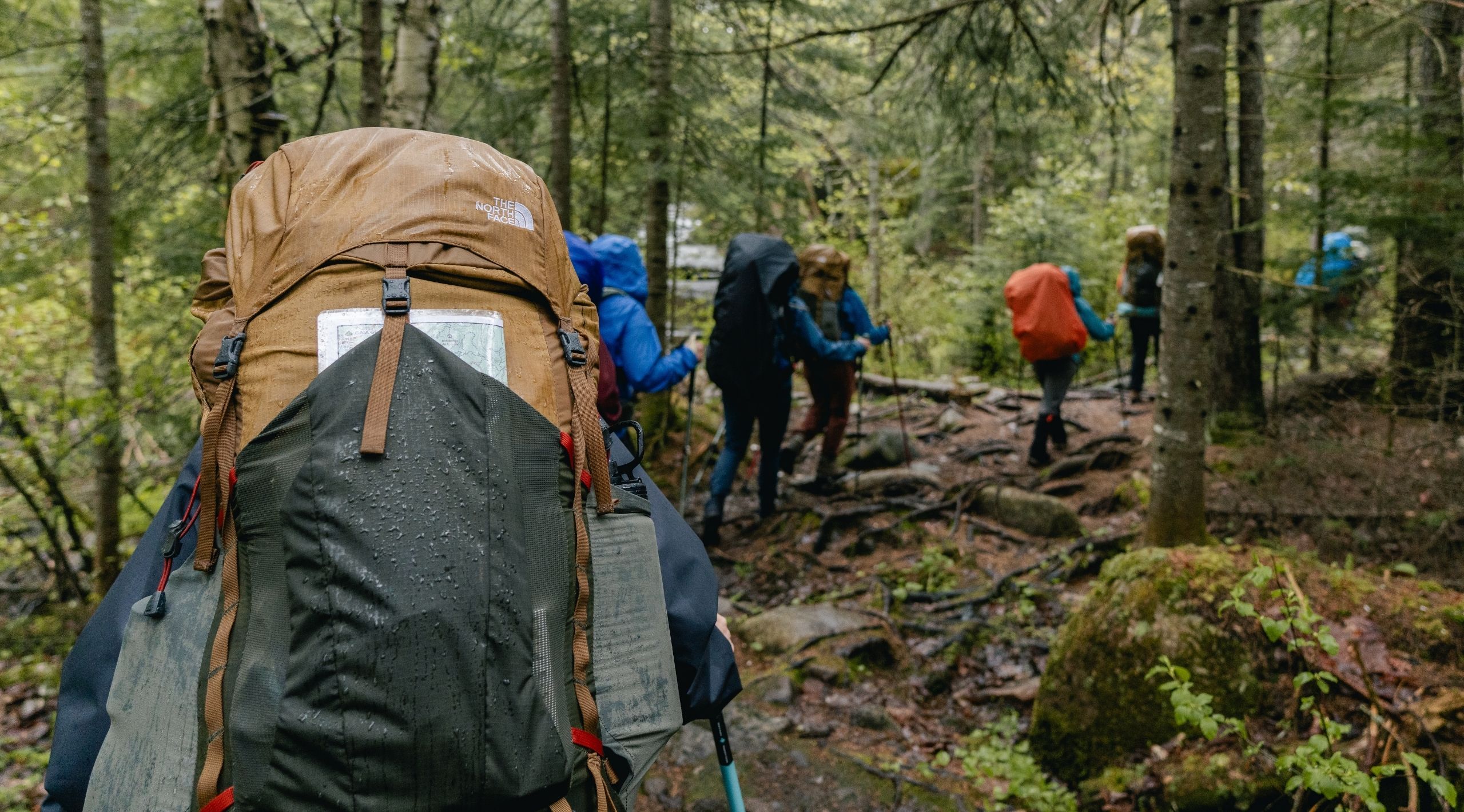


The duration of the hike is the key factor. It affects how you prepare for the hike: the route, water and food management, gear, weather, safety, and what equipment to bring. Although this type of hike may seem intimidating, you don’t need to be an expert in every area. You just need to know how to prepare properly and manage the risks inherent in the activity.
Trying it out for the first time on an organized, guided hike helps you build confidence and learn the basics of long-distance hiking. If you’d like to get started with long-distance hiking under the guidance and supervision of our team, check out our introductory long-distance hiking events. The next hike starts on October 10, 2026!
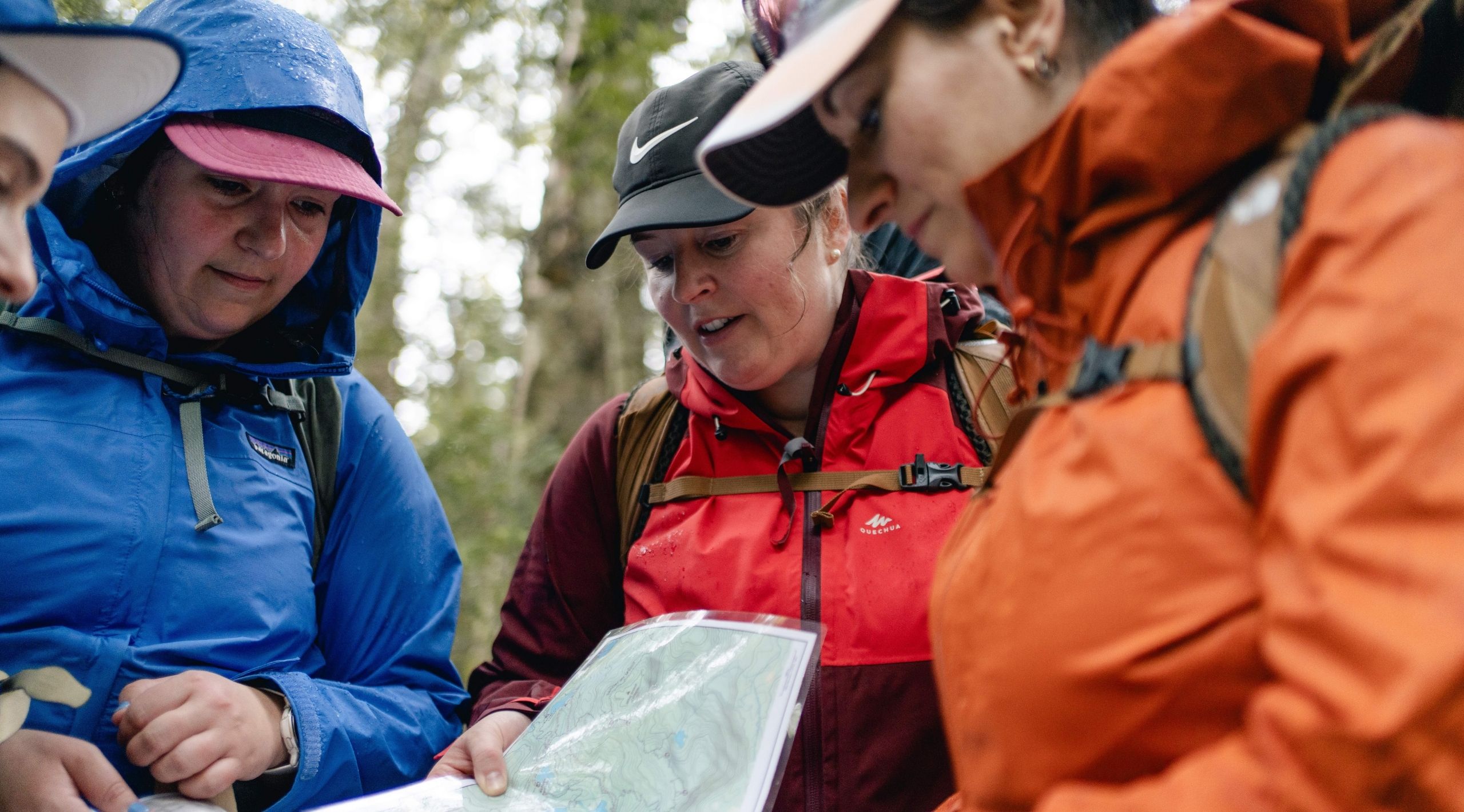
The first step in planning a long hike is to map out a realistic route. Think about a route that suits your level of physical endurance and your hiking experience. The type of hikes you usually go on can serve as a good starting point. Additionally, the weight of your hiking backpack is a very important factor to consider, as it slows you down and increases the difficulty of the route. Here are a few points to consider when planning your route:
Our tip: For your first experience, choose a relatively short route with exit options, easily accessible campsites, and plenty of water sources. Rando Québec has compiled a map of the various long-distance hiking trails in Quebec. This map is an excellent planning tool.
To learn more about planning a hiking route, check out our article Planning a Hiking Route: 5 Things to Consider.
As we know, outdoor activities are closely tied to the weather. Although we always hope for fa-m-o-u-s weather, that’s not always the case. That said, there’s no reason not to go ahead with the outing if the weather is favorable and safety isn’t compromised.
When making decisions related to the weather, ask yourself the following question: What will be different during the hike (temperature, humidity, trail, visibility, etc.), and how can I adapt to ensure it’s safe and enjoyable?
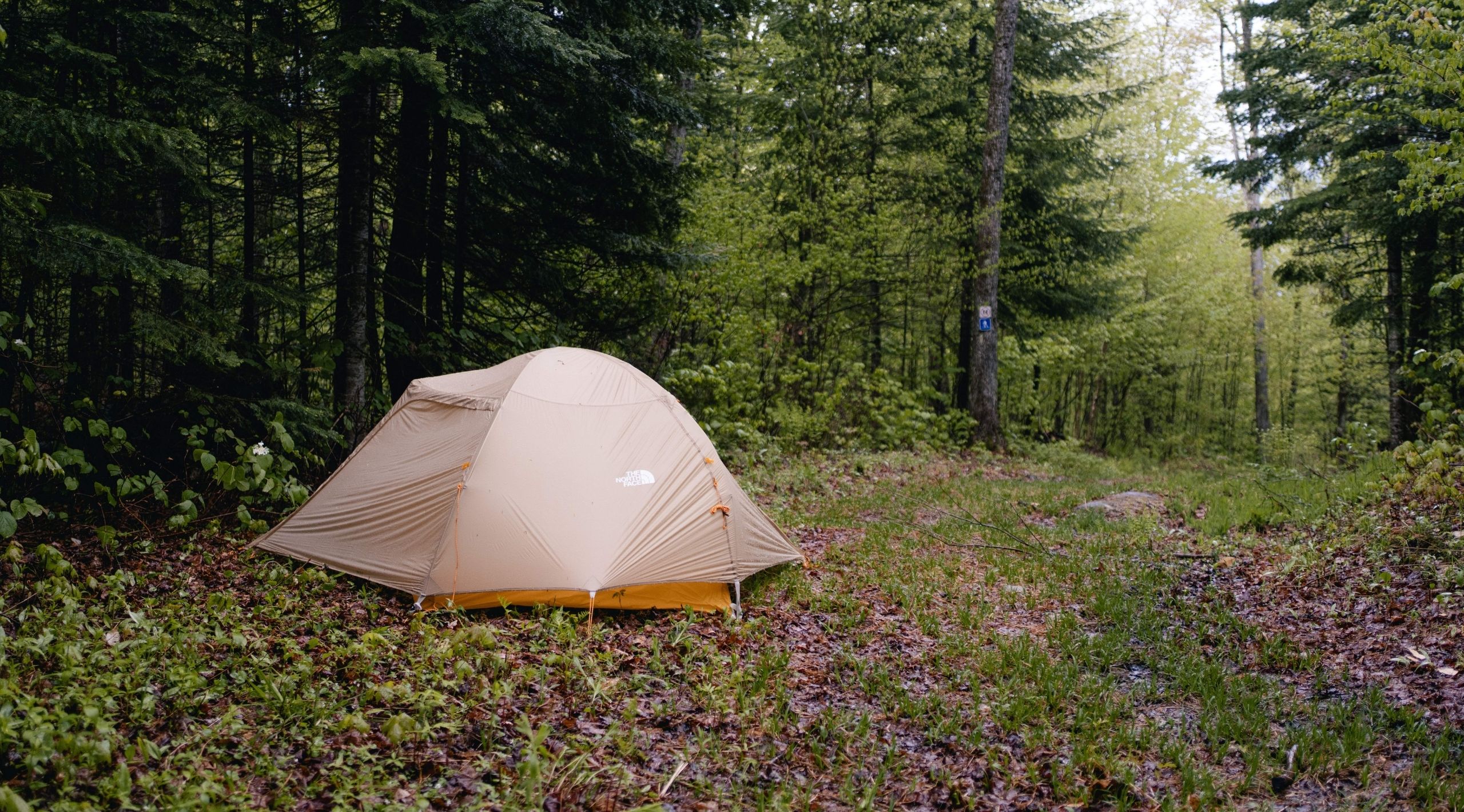
To make sure you don’t forget anything and make wise choices, it’s essential to make a list of the gear you’ll need for a multi-day hike. Ideally, you should organize your gear into specific categories: for sleeping, for cooking, for eating and drinking, for hiking, for safety, and for the unexpected. Here is a basic list that can be adapted as you go on more hikes or gain more experience. It can also be tailored to include items from your personal gear.
For sleeping
For cooking
Food and Drink
For walking
For safety
For the unexpected
It’s essential to consider your food needs for a long hike. Since energy expenditure is quite high—given the weight of the backpack you’ll be carrying and the chosen route—these factors must be taken into account to ensure you pack the right foods. First, you need to determine the number of meals required for the duration of the hike: breakfast, lunch, and dinner. For meals, various commercial options are available depending on your needs and preferences: freeze-dried meals or dehydrated meals. It’s up to you to choose the meals that suit you best based on your tastes, needs, and the amount of space you’re willing to allocate for food. Second, you need to estimate how many snacks you’ll need each day. It’s important to bring a little more rather than too little and to choose a variety of protein bars, nuts, dried fruit, and candy—in short, foods you enjoy and that bring you pleasure. Finally, food can quickly take up a lot of space in your backpack. Organizing your meals by day into bags and removing unnecessary packaging helps reduce waste and manage your daily food portions effectively.
When planning your route, it’s essential to check the water sources on the trail map. It’s also important to verify that they’re active and haven’t dried up. You’ll see rivers or lakes on the maps that will serve as your water sources. To purify the water so it’s safe to drink, a water filter is your best friend. Additionally, Pristine tablets can be added for maximum purification. Our number one tip? Test the filter before you leave and make sure the cartridge doesn’t need to be replaced.
A few tips to keep in mind regarding water management on long hikes:
Just as you should check the water filter before leaving, there are several pieces of equipment that can (and should) be checked before leaving:
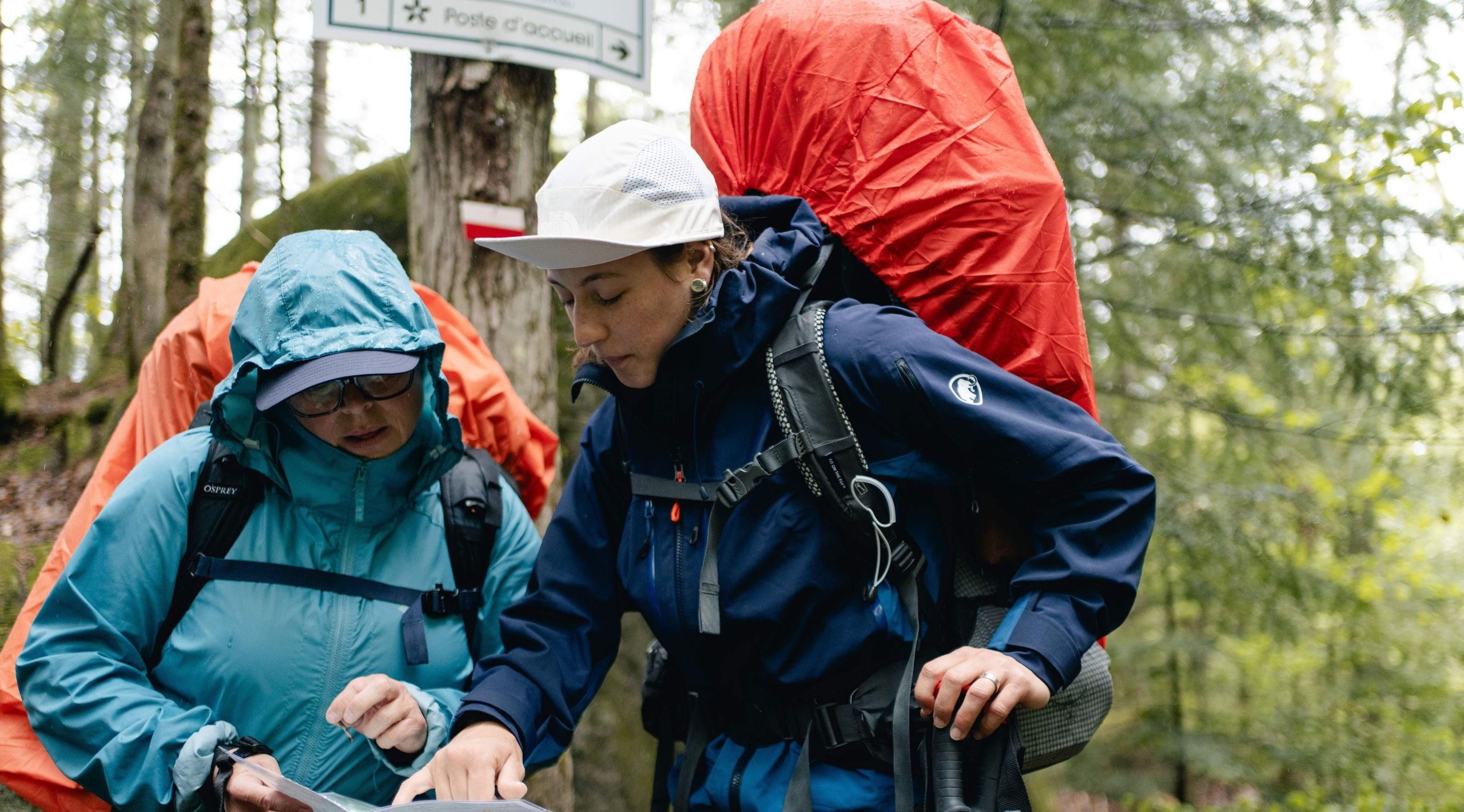
On your day hikes, why not try carrying a slightly heavier pack than usual? You’ll see how your body reacts and can adjust your pace when hiking with a heavier pack. This is very important when planning your route. Plus, gradually increasing the distance is good training.
A multi-day hike is all about self-reliance in every aspect—including personal hygiene. Whether it’s washing up, using the restroom, managing menstruation, or disposing of trash—to name just a few—you need to know how to plan accordingly. To learn everything about outdoor hygiene and the “Leave No Trace” practices related to it, check out our article Outdoor Hygiene: 6 Things to Consider.
Hiking on your own doesn't mean setting out alone without letting your loved ones know! In fact, there are a few safety considerations to keep in mind. Anticipating potential dangers before a hike allows you to react quickly in case of an unexpected event or an emergency.
A useful tool to have in your first-aid kit? Remote first-aid training. This training helps you learn and understand the protocols to follow during emergencies—whether minor or major—in remote areas. You can also check out the following resources:
Risk Management Tools for Members of Réseau Plein Air Québec
Rando Québec's Guide to Safe Hiking
In short, a multi-day hike requires planning and getting used to. There’s no point in rushing into a difficult multi-day hike. The best approach is to start slowly, set out for two days and one night, and get familiar with your gear. Planning and pacing are key. And if you want to learn all the basics of long-distance hiking, treat yourself to an introductory long-distance hiking course with us!


%C2%A0%E2%80%93%20grande%20taille.jpeg)